
Gus Schilling
57 películas
- Ámbito
- Interpretación
- Nacimiento
- 20 jun 1908
- Fallecimiento
- 16 jun 1957 (48 años)
- Lugar de nacimiento
- New York City, New York, USA
- Otros nombres
- August Schilling · August "Gus" Schilling
Biografía
Por ahora, esta biografía solo está disponible en inglés.
August "Gus" Schilling (June 20, 1908 - June 16, 1957) was an American actor.
August "Gus" Schilling (June 20, 1908 – June 16, 1957) was an American film actor who started in burlesque comedy and usually played nervous comic roles, often unbilled. A friend of Orson Welles, he appeared in five of the director's films — Citizen Kane (first screen performance), The Magnificent Ambersons, The Lady from Shanghai, Macbeth and Touch of Evil (final performance, released posthumously).
Leer la biografía completa
Born in New York City, Schilling had a rubber face and flustered gestures which made him a natural comedian and he began his career understudying comedy stars Bert Lahr and Joe Penner on Broadway. He soon became a favorite among burlesque comedians, who welcomed him into the burlesque profession. Schilling was in a relationship with burlesque star Betty Rowland and the couple toured in the Minsky burlesque troupe.
Orson Welles saw Schilling in New York and followed him to Florida. There Welles hired Schilling to appear in a stage production featuring several Shakespearean scenes. "I learned my part by taking the script to Welles and having him translate the lines to everyday English," Schilling recalled in 1939. Welles promised Schilling a part in Welles's first motion picture, and kept his promise: Schilling is featured in Citizen Kane (1941). This established Schilling in Hollywood movies as a "nervous" comedian (he plays a jittery symphony conductor in Olsen and Johnson's Hellzapoppin', for example). He also co-starred with character comedian Richard Lane in a series of 11 comedy shorts for Columbia Pictures; the series ran from 1945 to 1950.
Perfiles IMDb
Trabajos destacados
-
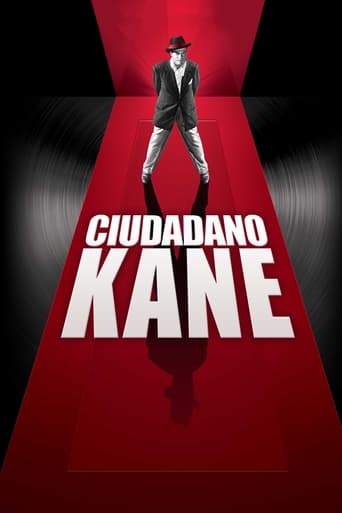 ★ 8.0
★ 8.0 Ciudadano Kane
1941 · Película
-
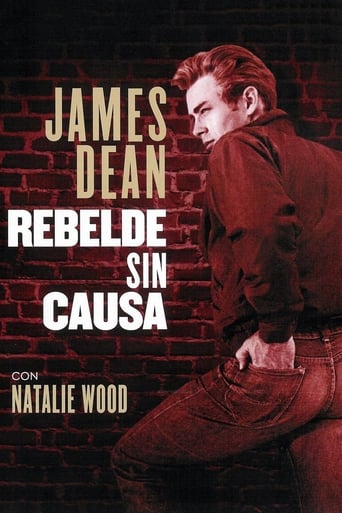 ★ 7.5
★ 7.5 Rebelde sin causa
1955 · Película
-
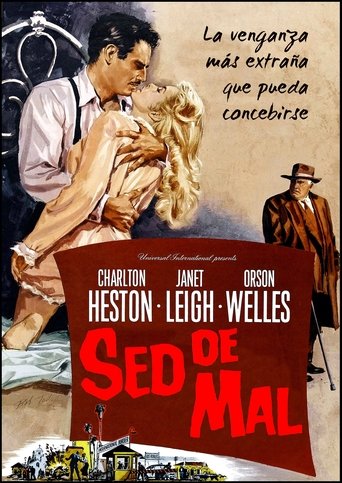 ★ 7.7
★ 7.7 Sed de mal
1958 · Película
-
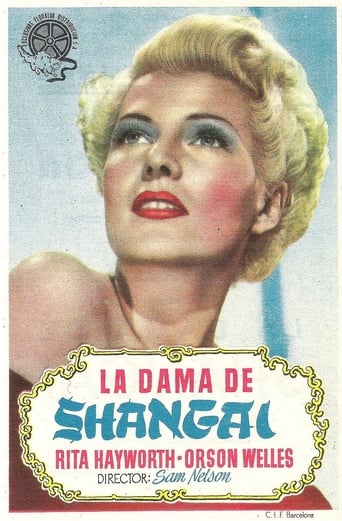 ★ 7.3
★ 7.3 La dama de Shanghai
1947 · Película
-
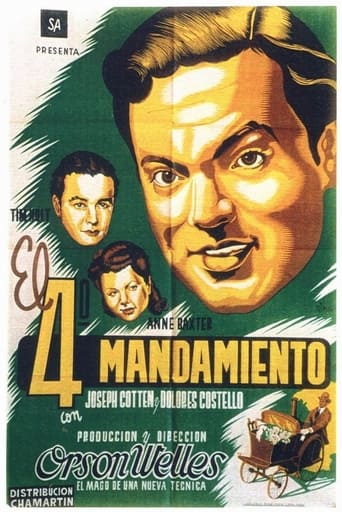 ★ 7.3
★ 7.3 El cuarto mandamiento
1942 · Película
-
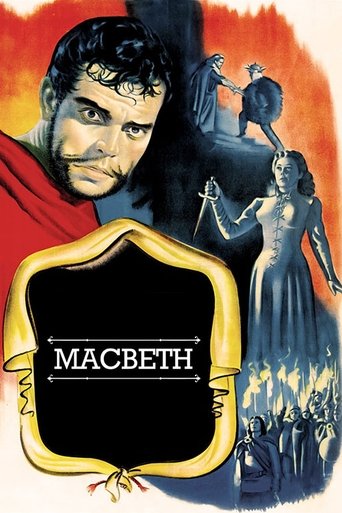 ★ 7.3
★ 7.3 Macbeth
1948 · Película
-
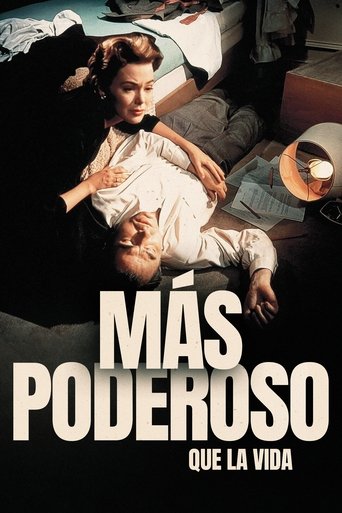 ★ 7.2
★ 7.2 Más poderoso que la vida
1956 · Película
-
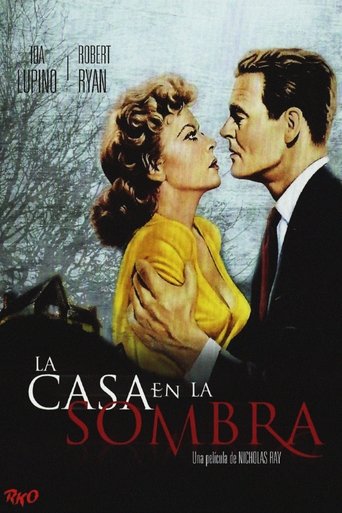 ★ 6.6
★ 6.6 La casa en la sombra
1951 · Película
Gus Schilling: películas y series
Interpretación (57)
- 1958 Sed de mal
como Eddie Farnham (uncredited)
- 1956 Más poderoso que la vida
como Druggist (uncredited)
- 1956 Glory
como Joe Page
- 1955 Rebelde sin causa
como Attendant (uncredited)
- 1955 Busca tu refugio
como Doc Ridgeway
- 1954 La torre de los ambiciosos
como Newsstand Vendor (uncredited)
- 1954 Guapa pero peligrosa
como Ed Gruman
- 1952 One Big Affair
como Mr. Rush
- 1951 La casa en la sombra
como Lucky
- 1951 Honeychile
como Window Washer
- 1951 Gasoline Alley
como Joe Allen
- 1950 Hit Parade of 1951
como Studio Guide
- 1950 Our Very Own
como Frank
- 1949 Bride for Sale
como Timothy
- 1949 Flung by a Fling
como Capt. Gus Schilling
- 1949 He's in Again
como Gus
- 1948 Angel on the Amazon
como Dean Hartley
- 1948 Tío Willie
como Benny
- 1948 Macbeth
como A Porter
- 1948 Pardon My Lamb Chop
como Gus
- 1948 Two Nuts in a Rut
como Gus Schilling, Lane's assistant
- 1947 La dama de Shanghai
como Goldfish
- 1947 Wedding Belle
como Gus Schilling
- 1947 Training for Trouble
como Gus Schilling
- 1947 Stork Bites Man
como Hubert Butterfield
- 1947 Calendar Girl
como Eddie Gaskin
- 1946 Pardon My Terror
como Gus
- 1946 Hot Water
como Gus
- 1946 Dangerous Business
como Alexander Pough
- 1946 Ain't Love Cuckoo?
como Gus Schilling
- 1945 High Blood Pleasure
como Gus
- 1945 River Gang
como Dopey Charlie
- 1945 Aladino y la lámpara maravillosa
como Jafar
- 1945 See My Lawyer
como J. Ambrose Winkler aka Winky
- 1945 It's a Pleasure
como Bill Evans
- 1944 Sing a Jingle
como Bucky
- 1943 Larceny with Music
como Austin J. Caldwell
- 1943 Hers to Hold
como Rosey Blake
- 1943 Presenting Lily Mars
como Scotty - Stage Manager
- 1943 Chatterbox
como Gillie
- 1943
- 1943 Lady Bodyguard
como Bughouse Sweeney
- 1942 Bailando nace el amor
como Fernando
- 1942 El cuarto mandamiento
como Drug Clerk (uncredited)
- 1942 There's One Born Every Minute
como Professor Asa Quisenberry
- 1942 Broadway
como Joe
- 1942 Dr. Kildare's Victory
como Leo Cobb
- 1941 Loquilandia
como Orchestra Conductor
- 1941 Appointment for Love
como Gus
- 1941 Casi un ángel
como Raven
- 1941 Ice-Capades
como Dave
- 1941 Ciudadano Kane
como John
- 1941 The Penalty
como Bank Teller (uncredited)
- 1941 Lucky Devils
como Aloysius Grimshaw
- 1940 Dr. Kildare's Crisis
como Orderly Cleaning Window
- 1940 Mexican Spitfire Out West
como Hotel Desk Clark
- 1940 Pop Always Pays
como City Dump Watchman