For a lot of viewers, Korean cinema begins with Parasite. It won the Palme d’Or at Cannes in 2019 and then became the first film not in English to win the Oscar for Best Picture. People finish it and ask the obvious question: what else is there?
The honest answer is: a lot. Since the late 1990s, South Korea has produced one of the richest runs of filmmaking anywhere. The problem for newcomers is not a shortage of great films. It is knowing where to begin, because Korean movies swing between genres and tones in ways that can surprise you. A single film can be a comedy, a murder mystery and a tragedy within the same hour.
This guide gives you a simple route in: three films to start with, then a choice of paths depending on what you enjoy.
Start with these three
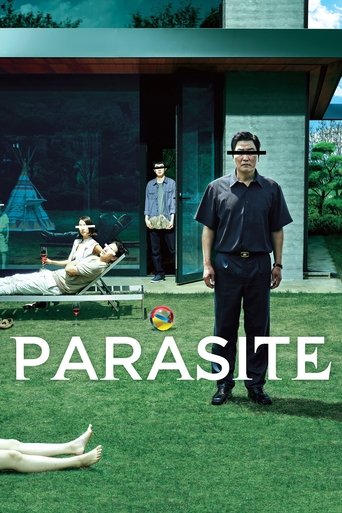
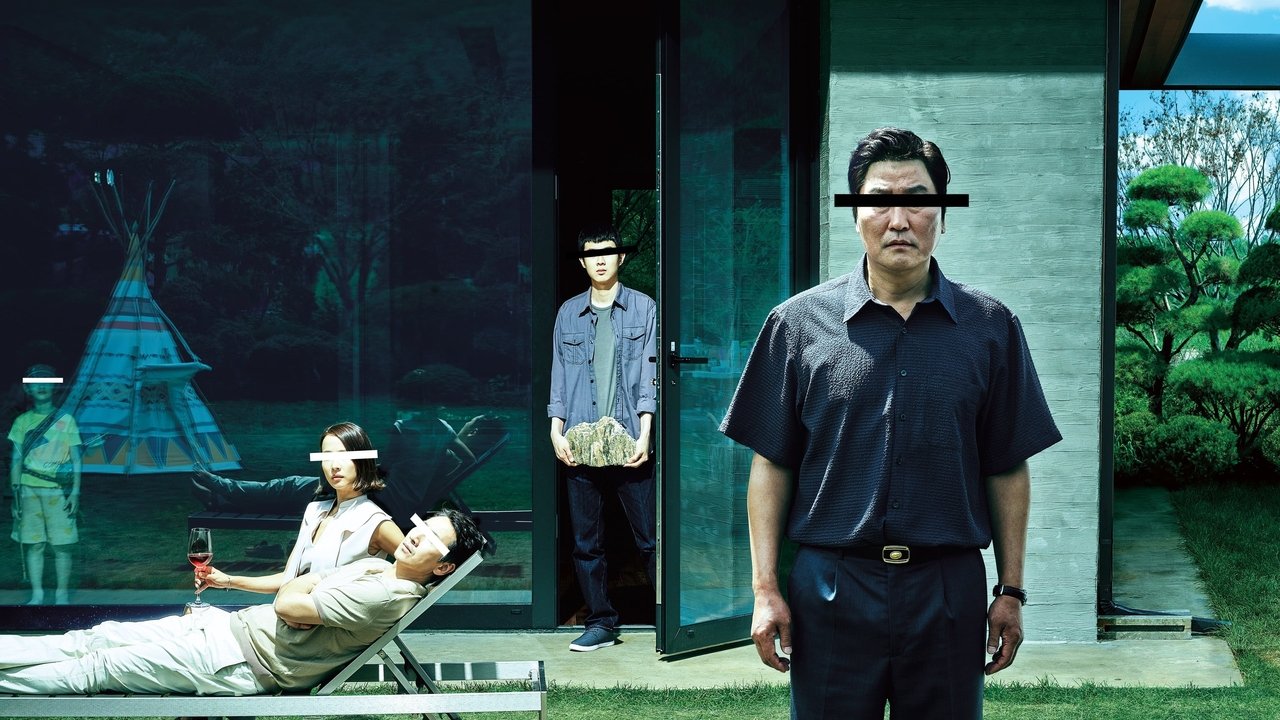
1. Parasite (2019). If you have not seen it yet, start here. A poor family talks its way into jobs with a rich one, and Bong Joon-ho turns the setup into a con-artist comedy, a thriller and a sharp look at class. It is also the best introduction to the Korean habit of changing tone without warning.
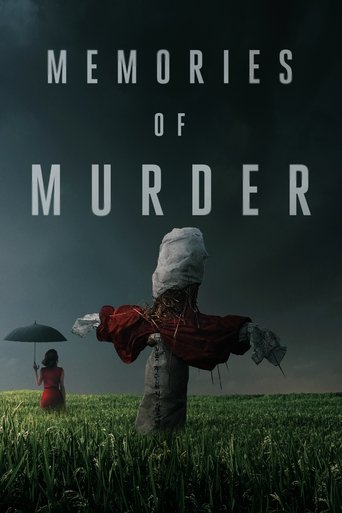
2. Memories of Murder (2003). Bong’s earlier film follows two detectives in the 1980s countryside hunting a serial killer, based on a real case. It is funny, frustrating and haunting, and many fans rate it even higher than Parasite. Watch it to see where his style comes from.
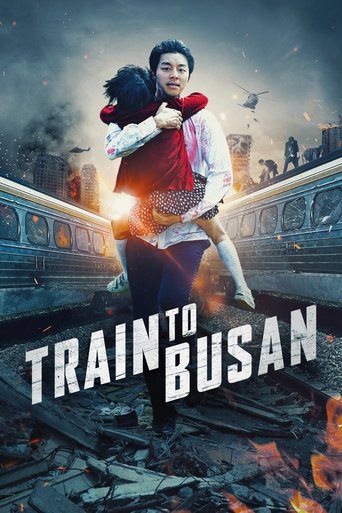
3. Train to Busan (2016). Pure entertainment. A zombie outbreak hits a high-speed train, and a distracted father has to protect his daughter. Yeon Sang-ho keeps the tension high while still making you care about the passengers. If you want to show a friend why Korean genre films are special, this is the easy win.
These three cover the range: prestige drama, crime and crowd-pleasing thrills. Notice which one you liked most, then follow the matching path below.
Then pick your path
If you loved the tension: thrillers and revenge
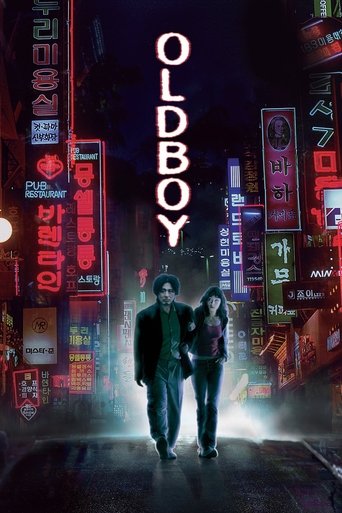
Korean thrillers have a reputation for being tense, clever and sometimes very violent. Start with Oldboy (2003), Park Chan-wook’s story of a man locked in a room for fifteen years without explanation, which won the Grand Prix at Cannes. It is the middle film of his “Vengeance Trilogy,” alongside Sympathy for Mr. Vengeance and Lady Vengeance.
From there, try The Chaser (2008), a relentless all-night hunt through Seoul, and The Man from Nowhere (2010), a stylish action thriller about a quiet pawnshop owner protecting a young girl. For crime sagas, New World (2013) is a gripping undercover-cop story in the tradition of Infernal Affairs.
A fair warning: films like I Saw the Devil (2010) are extremely graphic. They are respected, but they are not a casual Friday-night watch.
If you want to be scared: horror
Korean horror leans less on jump scares and more on dread and grief. A Tale of Two Sisters (2003) is an elegant, sad ghost story. The Wailing (2016) is a long, unsettling folk-horror mystery about a sickness spreading through a mountain village; give it your full attention. For something newer, Exhuma (2024), about shamans hired to move an ancestral grave, was one of the biggest hits in Korea that year. And The Host (2006) is Bong Joon-ho’s monster movie: scary, funny and surprisingly moving.
If you want something slower and deeper: drama
If Parasite made you think more than it thrilled you, go to Lee Chang-dong, one of the great living filmmakers. Burning (2018), adapted from a Haruki Murakami short story, is a slow-burning mystery about obsession and class that stays with you for days. Poetry (2010) and Secret Sunshine (2007) are quieter and even more affecting.
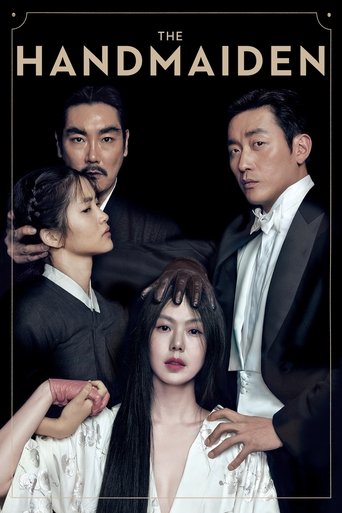
Park Chan-wook’s The Handmaiden (2016), set in 1930s Korea under Japanese rule, is a lavish, twisting con story, best watched knowing as little as possible. His Decision to Leave (2022), which won him Best Director at Cannes, is a romantic mystery about a detective and a suspect.
If you want history
Several recent Korean hits dramatise the country’s modern history, and they are a good way to understand where the films come from. A Taxi Driver (2017) follows a Seoul cab driver who drives a German journalist to Gwangju during the 1980 uprising, with Song Kang-ho in the lead. 1987: When the Day Comes (2017) covers the events that led to democracy, and 12.12: The Day (2023) turns the 1979 military coup into a tense thriller.
If you want to laugh (or cry)
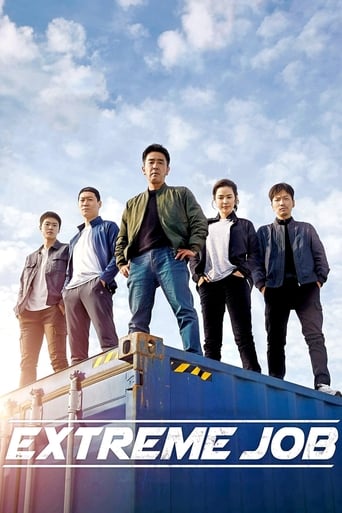
Korean cinema is not all darkness. Extreme Job (2019), about undercover narcotics cops running a fried-chicken restaurant, is one of the biggest box-office hits in Korean history. Exit (2019) is a fun disaster comedy, and Sunny (2011) is a nostalgic, funny and moving story about school friends reuniting decades later. If you want a proper cry, Miracle in Cell No. 7 (2013) is a famous tearjerker.
Five directors worth following
Once you find a film you love, the fastest way to find more is to follow the director.
- Bong Joon-ho mixes genres and humour with sharp social observation: Parasite, Memories of Murder, Mother, The Host.
- Park Chan-wook makes stylish, operatic films about revenge, desire and deception: Oldboy, The Handmaiden, Decision to Leave.
- Lee Chang-dong makes patient, humane dramas that reward attention: Burning, Poetry, Secret Sunshine, Peppermint Candy.
- Na Hong-jin makes intense, sprawling crime and horror: The Chaser, The Yellow Sea, The Wailing.
- Kim Jee-woon works across genres with great style: A Tale of Two Sisters, A Bittersweet Life, The Good, the Bad, the Weird.
A 10-film starter list
If you would rather just have an order to follow, here is a balanced first ten. It mixes genres so you do not burn out on thrillers.
- Parasite (2019)
- Train to Busan (2016)
- Memories of Murder (2003)
- Extreme Job (2019)
- Oldboy (2003)
- A Taxi Driver (2017)
- The Handmaiden (2016)
- The Host (2006)
- Burning (2018)
- The Wailing (2016)
A few tips before you press play
- Expect the tone to shift. A scene can be slapstick one minute and devastating the next. That is a feature, not a mistake.
- Check the violence level. Many acclaimed Korean thrillers are far more graphic than Hollywood equivalents. The lighter films above are safe for most audiences; the revenge thrillers are not.
- Try subtitles. Dubbed versions exist for some films, but the original Korean performances are a big part of the experience.
- Availability changes. Streaming rights move between services and differ by country. Every title page on Cinearium shows where each film is streaming in your region.
Where to go next
When you are ready for more, our ranked guides go deeper: 50 Best Korean Movies covers every genre, Best Korean Thriller Movies focuses on crime and suspense, and Movies Like Parasite picks up where Bong’s film leaves off. If you want to try Korean television too, start with Best Korean Dramas.