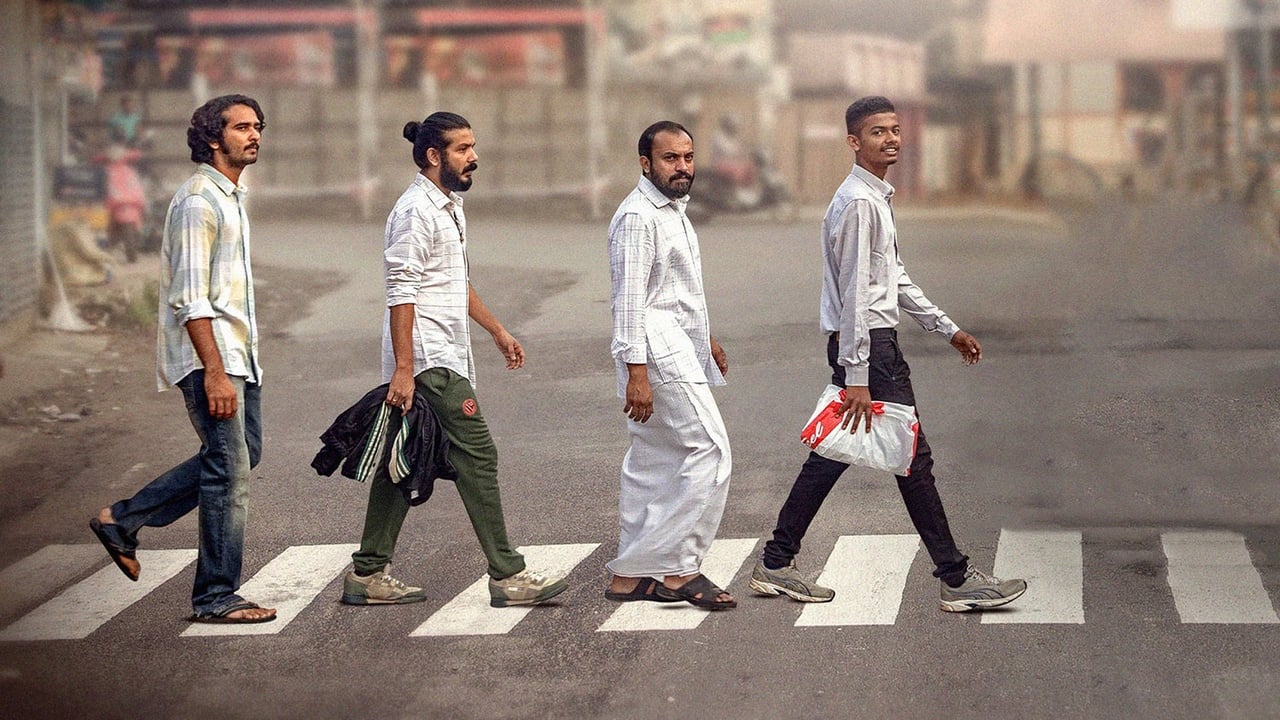
Ask film lovers in India which industry is making the most interesting films right now, and a surprising number will give the same answer: Malayalam. Kerala’s film industry is small next to Hindi, Tamil or Telugu cinema. Its budgets are modest and its stars rarely do the pan-India publicity circuit. Yet over the last fifteen years it has produced a steady run of films that people outside Kerala seek out, subtitles and all.
This is a short guide to how that happened, what makes these films feel different and where to start.
It did not come from nowhere
Malayalam cinema has a long tradition of serious, writer-led filmmaking. Chemmeen (1965) won the national award for best film. In the 1970s and 80s, directors such as Adoor Gopalakrishnan (Elippathayam), Padmarajan (Thoovanathumbikal) and Bharathan worked in a space between art house and mainstream, often called “middle cinema”. Mainstream hits of that era, like Kireedam and Manichitrathazhu, were built on strong scripts as much as on stars.
By the 2000s, much of that had faded into formula: star vehicles, broad comedy and melodrama. The new wave was, in part, a return to the industry’s roots.
The turn: 2011 and the “new generation”
The film usually credited with starting the change is Traffic (2011), a tightly plotted story about an urgent organ transport across Kerala told through several overlapping lives. It was a hit, and it showed producers that audiences would turn up for a fresh structure and an ensemble without a single superstar at the centre.
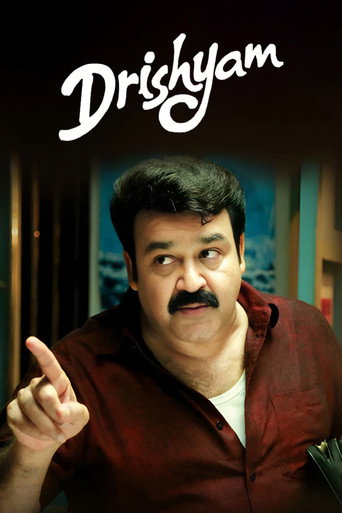
A wave of what the press called “new generation” films followed. They were urban, conversational and often funny. Bangalore Days (2014) captured young Malayalis moving to other cities. Premam (2015) became a phenomenon. Then Drishyam (2013), Jeethu Joseph’s family thriller, became one of the most remade Indian films ever, adapted into several other languages.
What makes these films different
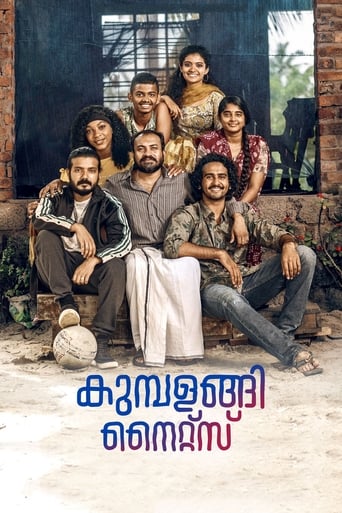
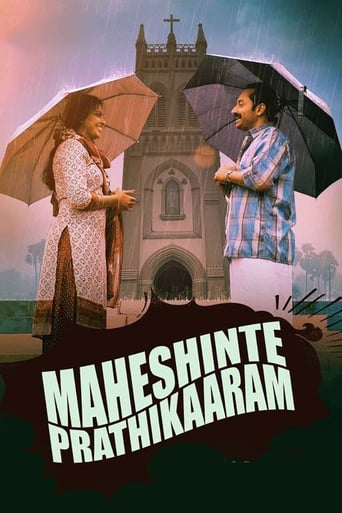
Writers come first. Many of the best Malayalam films of the last decade began with a screenwriter’s voice. Syam Pushkaran, for example, wrote Maheshinte Prathikaaram (2016) and Kumbalangi Nights (2019). Both are small stories that feel completely lived-in.
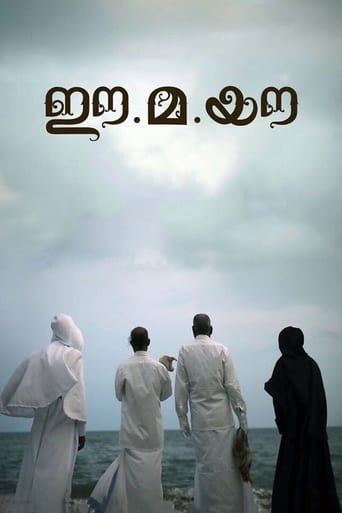
Ordinary life is the subject. A photographer vows not to wear slippers until he gets revenge. A thief swallows a gold chain on a bus in Thondimuthalum Driksakshiyum (2017). A son tries to give his father a proper funeral in Ee.Ma.Yau. (2018). The drama comes from specific places and people rather than spectacle.
Stars act like actors. Fahadh Faasil, Dulquer Salmaan, Nivin Pauly, Parvathy Thiruvothu and Soubin Shahir became famous partly because they will play flawed, unglamorous people. Veterans joined in too: Mammootty has spent recent years taking bold roles in films like Bramayugam (2024) and Kaathal – The Core (2023).
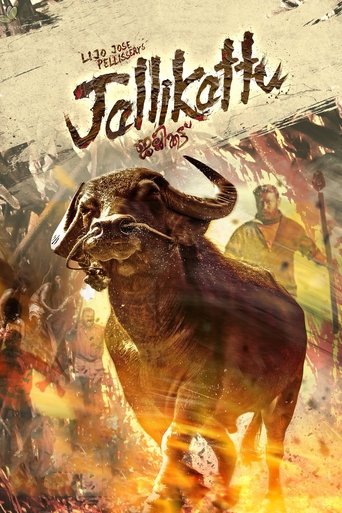
Small budgets force invention. Without huge budgets, filmmakers rely on writing, performance and craft. Lijo Jose Pellissery’s Jallikattu (2019), about a buffalo that escapes and sends a village into chaos, was India’s official entry for the Oscars. Angamaly Diaries (2017) cast a large group of newcomers and ends with a remarkable long single-take sequence.
Streaming carried it across India
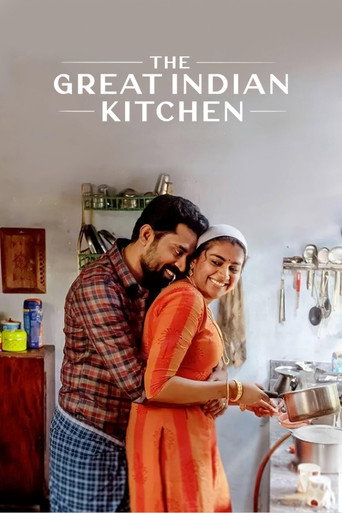
Subtitled Malayalam films always had fans outside Kerala, but streaming changed the scale. During the pandemic years, films like Joji (2021), Dileesh Pothan’s quietly menacing Macbeth-inspired drama, premiered directly on streaming and reached viewers who might never have found them in a cinema. The Great Indian Kitchen (2021) became a national conversation about domestic labour largely through word of mouth online.
Once audiences across India had subtitles switched on, they kept coming back. That helped set the stage for the theatrical breakouts that followed.
The recent boom
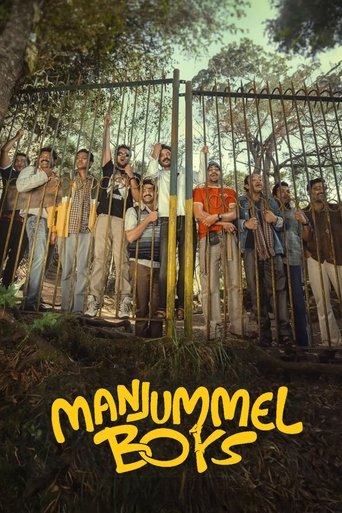
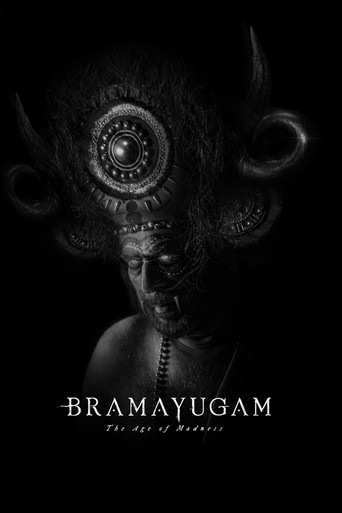
2024 was a landmark year. Manjummel Boys, a survival film based on a real incident at the Guna Caves, became one of the highest-grossing Malayalam films ever and drew big audiences in Tamil Nadu and beyond. Premalu, a light romantic comedy, and Aavesham, with Fahadh Faasil as a flamboyant gangster, were huge hits too. Bramayugam proved that even a black-and-white folk-horror film could find a wide audience.
Earlier, 2018 (2023), about the Kerala floods, was India’s official Oscar entry, and Romancham (2023) turned a Ouija-board premise into a horror-comedy hit.
A 12-film starter list
If you are new to Malayalam cinema, this order mixes eras and moods:
- Drishyam (2013): the family thriller everyone remade
- Kumbalangi Nights (2019): four brothers, one fishing village
- Maheshinte Prathikaaram (2016): a gentle, funny revenge story
- Premalu (2024): an easy, very funny romcom
- Manjummel Boys (2024): friendship under extreme pressure
- Traffic (2011): where the new wave started
- Thondimuthalum Driksakshiyum (2017): a police station comedy of manners
- Joji (2021): a chilling family drama
- The Great Indian Kitchen (2021): small, angry and unforgettable
- Bramayugam (2024): black-and-white folk horror
- Kireedam (1989): a classic from before the wave
- Jallikattu (2019): pure, wild filmmaking
Where to go next
Our 50 Best Malayalam Movies guide covers classics and the new wave in one ranked list. If thrillers are your thing, try Best Malayalam Thriller Movies and Movies Like Drishyam. For what has just arrived on streaming, check New OTT Movie Releases in India, which is refreshed every week.